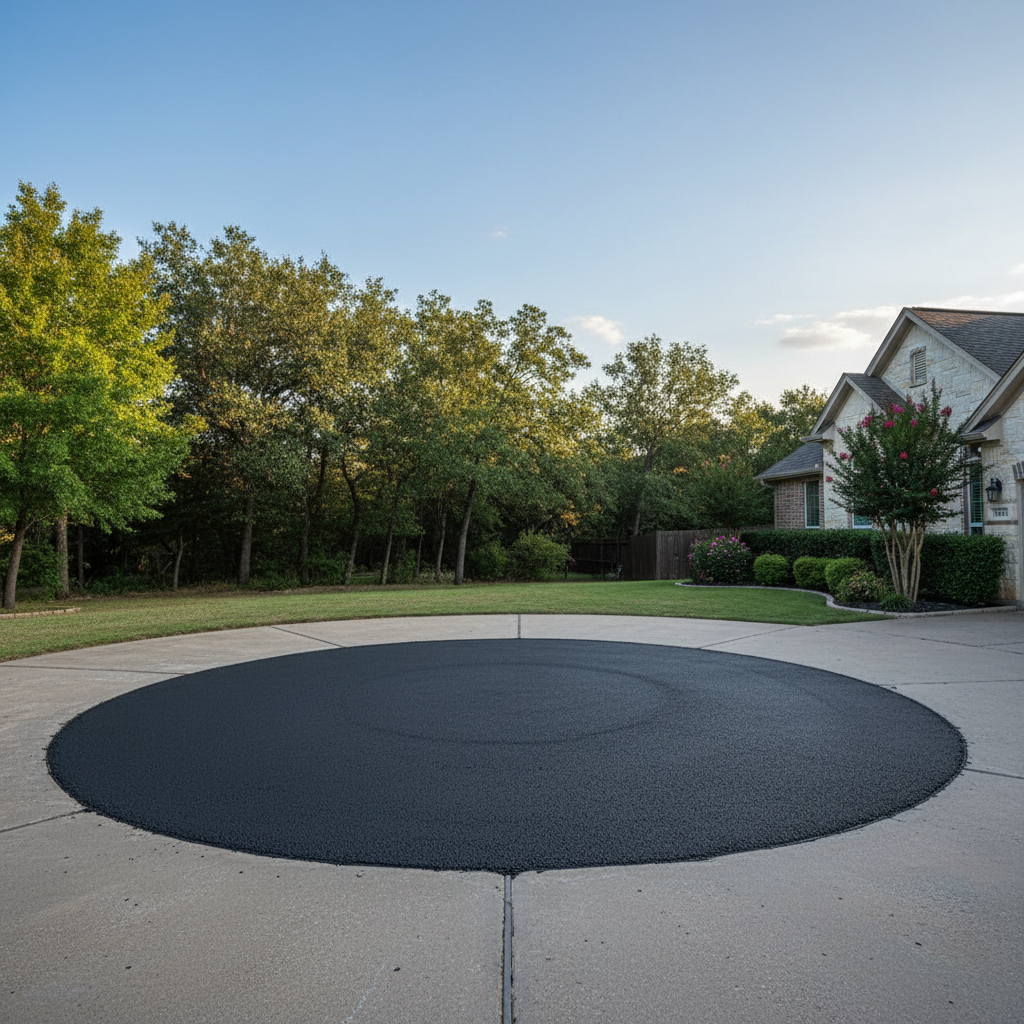
You just got some asphalt patching done, maybe it was a pothole, a utility cut, or some cracked-up areas in your driveway or parking lot. Great. That's step one. But the job isn't truly done until you know how to keep that patch looking good and holding strong. We see a lot of folks in Leander who think once it's patched, it's good forever. That's just not how it works, especially with our Texas heat and occasional flash floods.
Extending the Life of Your Asphalt Patch
The biggest thing you can do to make a patch last is to keep water from getting underneath it and to protect it from heavy traffic right after it's laid. If water gets under a patch, especially in our expansive clay soils around areas like the Mason Hills development, it can cause the ground to shift, and that patch will fail pretty quickly. Here’s what you need to focus on:
- Sealcoating is Your Best Friend: Think of sealcoating as sunscreen for your asphalt. It's a protective layer that keeps out water, UV rays, and oil spills. After a patch, you'll want to give it a little time to cure – usually 30 to 90 days depending on the patch type and weather – then get the whole surface sealcoated. This not only protects the patch but blends it in better with the surrounding pavement, making your whole surface look more uniform.
- Proper Drainage: This is huge. If water is pooling on or near your patched area, it's going to find a way in. Make sure your gutters are working, your landscape directs water away from the pavement, and there aren't any low spots where puddles sit for days after a rain.
- Avoid Heavy Loads Too Soon: Fresh asphalt needs time to fully cure and harden. While you can typically drive on a new patch within a day or two, avoid parking heavy RVs, commercial trucks, or construction equipment on it for at least a week, sometimes longer, especially if it's been a hot week.
Regular Maintenance: It's Simpler Than You Think
Keeping an eye on your patched areas doesn't take a lot of specialized equipment. It's mostly about observation and quick action.
- Keep it Clean: Sweep away dirt, leaves, and debris regularly. Organic matter can hold moisture against the asphalt, and grit can act like sandpaper under tires, wearing down the surface.
- Address Spills Immediately: Oil, gas, and other chemicals can break down the asphalt binder. If you see a spill, clean it up right away with an absorbent material. Don't let it sit and soak in.
- Small Crack Repair: Sometimes new small cracks can form around the edges of an older patch or even within it. Don't ignore them. Filling these minor cracks with an appropriate crack filler prevents water from seeping in and expanding them into bigger problems. It's a lot cheaper to fill a small crack than to replace a whole section.
Warning Signs: What to Look For
Your asphalt will tell you when it's having problems if you know what to listen for. Or, in this case, what to look for.
- New Cracks Around the Patch: If you see cracks forming around the perimeter of your patch, it could mean the sub-base is shifting or the patch isn't bonding well with the old asphalt.
- Potholes or Depressions in the Patch: This is a clear sign of failure. Water has likely gotten underneath, or the material wasn't compacted properly.
- Raveling: This is when the aggregate (the small stones) starts to come loose from the asphalt binder, making the surface look rough and pitted. It's a sign of surface deterioration, often from UV exposure or water damage.
- Soft Spots: If a patched area feels spongy or soft when you walk or drive over it, that's a big red flag. It means the asphalt isn't properly bound or there's a problem with the underlying material.
When to Call a Professional
Look, I'm a big believer in DIY when it makes sense, but some things are best left to the pros. When you see those warning signs, or if you're just not sure, that's the time to pick up the phone.
- Widespread Cracking or Potholing: If the problem isn't just a small isolated crack but a whole network of cracks or multiple potholes, you're probably looking at a bigger issue than a simple DIY fix can handle.
- Drainage Issues: If you've got standing water that won't go away, you might need a professional to assess the grading and possibly install new drainage solutions.
- Sub-Base Problems: If you suspect the issue is deeper than just the asphalt surface – like a shifting foundation or poor compaction – you need an expert to diagnose and fix it right. Trying to patch over a bad sub-base is just throwing money away.
- Anytime You're Unsure: Seriously, if you're scratching your head about a problem, just call us. It's better to get a professional opinion early than to let a small issue turn into a major, costly repair. We're Absolute Asphalt Inc, and we've been doing this for a long time. We can tell you what's going on and what the best solution is, even if it's just a simple piece of advice.
Taking care of your asphalt patches isn't rocket science, but it does require a little attention. A small amount of preventative maintenance and knowing when to call for help can save you a lot of headaches and money down the road.