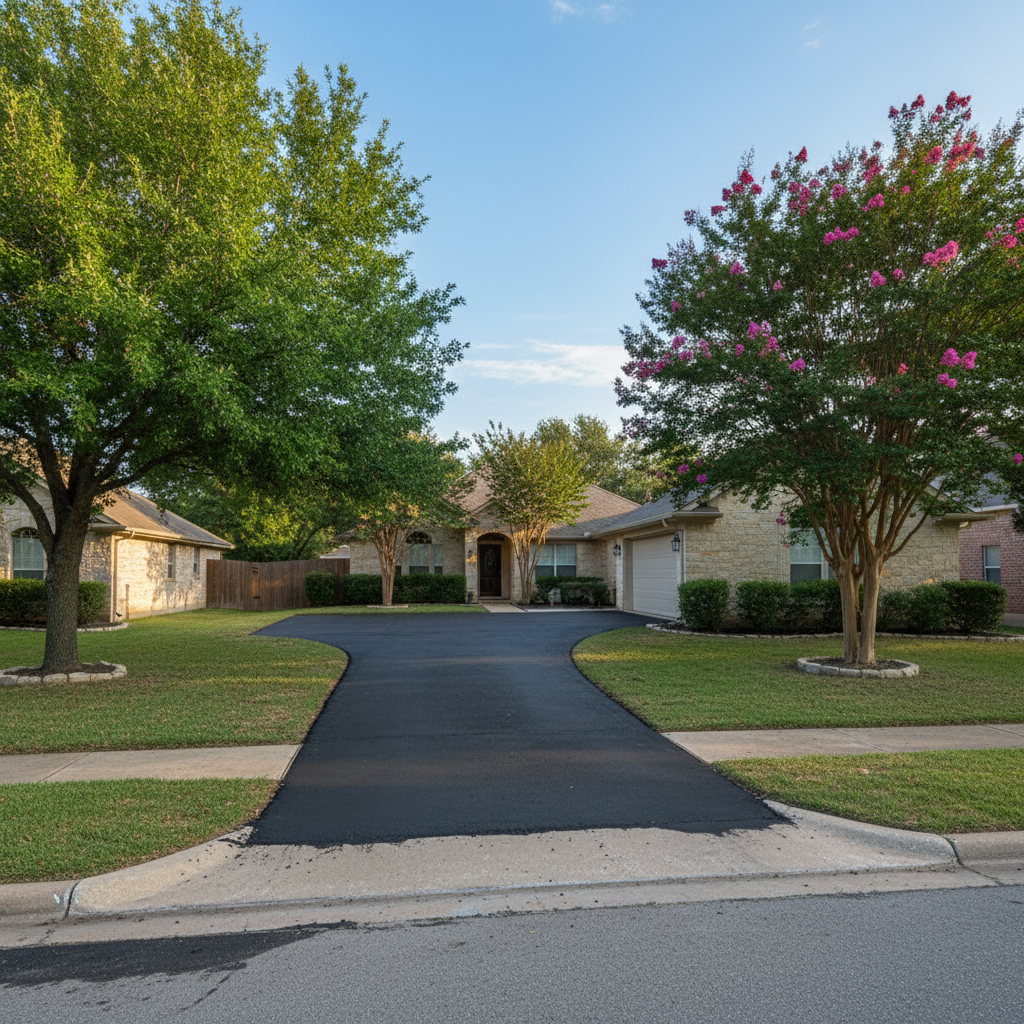
So, you've got cracks, potholes, or maybe just some general wear and tear on your asphalt driveway or private road. You know it's time to get it fixed. But what actually goes into an asphalt repair project? It's more than just calling someone and having them show up. Let me walk you through what I tell my customers here in Leander so you're ready when it's time to get that pavement looking good again.
Getting Started: Your Project Timeline
Don't expect us to show up tomorrow. Good work takes planning, and good contractors are usually booked out a bit. Here's a realistic timeline you should keep in mind:
Initial Contact & Site Visit (1-2 weeks): You call us, we schedule a time to come out and look at your property. We'll assess the damage, measure, and discuss your options. This isn't just about patching; sometimes, a full overlay or even replacement is the smarter long-term fix, especially with our expansive clay soils here in Leander that can really put stress on pavement.
Quote & Proposal (1 week): After the visit, we'll put together a detailed quote. This isn't just a number; it should outline the scope of work, materials, timeline, and payment terms. Read it carefully.
Scheduling the Work (2-6 weeks, or more): Once you approve the quote, we'll get you on the schedule. This timeframe can vary wildly depending on the season, our current workload, and the size of your project. Spring and fall are usually busiest. Don't be afraid to ask about our current lead times.
Project Execution (1 day to 1 week+): The actual work itself. Most residential repairs can be done in a day or two, but larger, more complex projects might take longer. We'll give you a clear estimate.
Curing Time (24-72 hours, sometimes longer): After we're done, you can't just drive on it immediately. Asphalt needs time to cure. We'll tell you exactly how long to stay off it. This is crucial for the longevity of the repair.
What to Expect During the Process
When the crew shows up, here's what's usually going to happen:
Prep Work: This is probably the most important part. We'll clean the area thoroughly, remove loose debris, and sometimes cut out damaged sections. If there are potholes, we'll square them off to create a stable base for the new material. Proper preparation is key to a lasting repair.
Materials & Equipment: You'll see trucks, pavers (for larger areas), rollers, and various hand tools. We'll bring in the asphalt, which is usually hot mix for repairs that need durability. It's hot, sticky, and smells like, well, asphalt.
Noise & Activity: It's a construction site, even if it's just your driveway. Expect noise from equipment, trucks, and people working. We try to be respectful of your neighbors, but it's not going to be silent.
Limited Access: During the work and the curing period, you won't be able to use the repaired area. Plan for this. If it's your only driveway, you'll need to park elsewhere for a day or two.
Professionalism: Our crew at Absolute Asphalt Inc. is trained to be efficient and courteous. We'll keep the site as tidy as possible and answer any questions you have during the process.
How to Prepare Your Property
You can help make the process smoother. Here's what I recommend:
Clear the Area: Move vehicles, trash cans, planters, toys, or anything else that might be in the way of the work crew. We don't want to accidentally damage your stuff, and it helps us work faster.
Mark Sprinkler Heads/Underground Utilities: If you have any irrigation lines, invisible dog fences, or other shallow utilities near the repair area, mark them clearly. We're careful, but knowing exactly where they are helps prevent costly accidents.
Inform Neighbors: Especially if the work might affect shared driveways or create temporary noise, give your neighbors a heads-up. A little courtesy goes a long way.
Plan for Access: As I mentioned, figure out where you'll park and how you'll get in and out of your house during the work and curing time.
Secure Pets/Children: Keep kids and pets away from the work zone. Hot asphalt and heavy machinery aren't safe play areas.
Questions to Ask Before You Sign That Contract
Don't just sign the first thing put in front of you. Ask these questions:
What exactly is included in the price? Make sure the quote is detailed. Does it include all materials, labor, site prep, and cleanup? Are there any potential hidden costs?
What kind of asphalt are you using? For repairs, you want quality hot mix asphalt that's appropriate for our Central Texas climate and traffic. Don't settle for cheap, temporary fixes if you want it to last.
What's your warranty? A reputable contractor will stand behind their work. Ask about the length and specifics of their warranty on materials and labor.
Are you licensed and insured? This is non-negotiable. You want a contractor who is properly licensed for work in Leander and carries liability insurance. Ask for proof.
Can you provide references? A good contractor will happily share contact information for previous clients. Call them and ask about their experience.
What's the estimated start and completion date? Get a clear understanding of the schedule, including any factors that might cause delays (like bad weather).
How will you protect my property? Ask about measures they take to prevent damage to your lawn, landscaping, or other parts of your home during the project.
What's the payment schedule? Typically, a deposit is required, with the remainder due upon satisfactory completion. Avoid contractors who demand full payment upfront.
Taking the time to plan and ask the right questions will save you headaches and ensure you get a quality asphalt repair that lasts. We've seen it all around here, from the big properties out near Ronald Reagan Blvd to the smaller driveways in Old Town Leander, and a little preparation makes a world of difference for everyone involved.