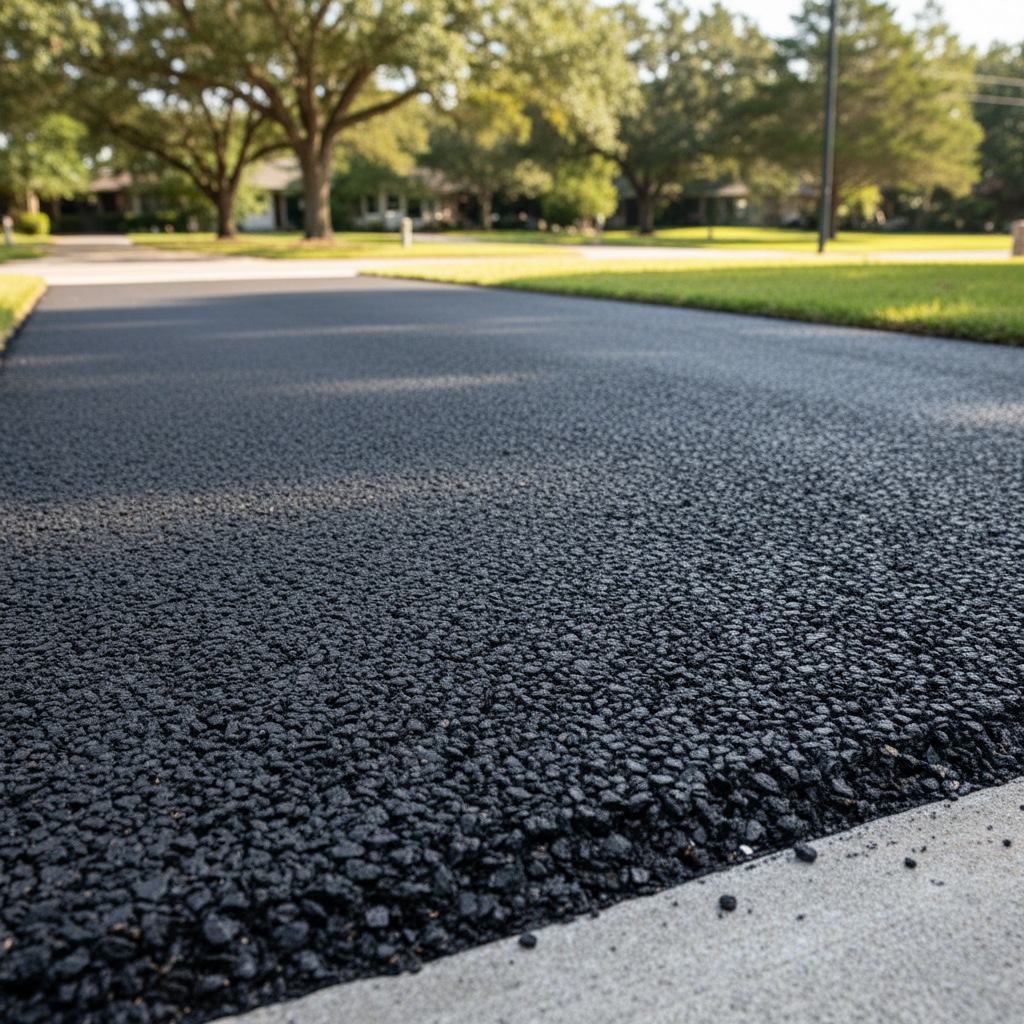
So, you're looking at your driveway and thinking it's time for some asphalt work, huh? Maybe it's cracked all to pieces, or you're putting in a new one. Either way, it's a big decision for your home here in Leander, and you want to get it right. I've been doing this a long time, and I've seen folks try to cut corners or just not know what they're getting into. Let me tell you what I've learned, from the ground up.
Before the Shovel Hits the Dirt: Planning Your Asphalt Project
Before any work starts, you've got to figure out what you're actually trying to accomplish. Is it a brand new driveway? Are you just patching some potholes? Or maybe you're looking to resurface an old, worn-out one?
- New Installation: This is a big job. It means excavation, proper grading, a good base layer, and then the asphalt itself. You can't just dump asphalt on dirt and expect it to last. Especially with our expansive clay soils around here in Leander, a solid, well-compacted base is absolutely critical. If you skip this step, your driveway will crack and heave in no time.
- Resurfacing (Overlay): If your existing asphalt is mostly sound but has surface cracks, fading, or minor depressions, an overlay might be an option. This involves cleaning the old surface, repairing any major damage, and then laying a new, thinner layer of asphalt on top. It's cheaper than a full replacement, but it's only a good idea if the underlying structure is still strong.
- Repair: Potholes, alligator cracking, or edge deterioration can often be repaired. Sometimes it's just a patch, other times it's cutting out a section and replacing it.
Now, what can you realistically do yourself? For minor crack filling with a pourable sealant, sure, you can probably handle that. Small, shallow potholes can sometimes be filled with cold patch asphalt you buy at the hardware store, but understand that's a temporary fix at best. Anything beyond that – especially a new installation or a full resurfacing – that's when you call a pro. You're talking heavy machinery, precise grading, and hot asphalt that needs to be laid and compacted quickly. It's not a DIY weekend project, trust me.
During the Work: What to Expect from Your Contractor
Once you've decided on the scope and hired a reputable contractor (hopefully someone local like Absolute Asphalt Inc), here's what should happen. Communication is key. Your contractor should be able to explain each step clearly.
- Preparation is Everything: For a new driveway, this means digging out the old material, making sure the slope is right for drainage (you don't want water pooling against your house or garage), and then laying down a thick, compacted aggregate base. This base is what supports the asphalt and prevents premature failure. For an overlay, it means thorough cleaning and repairing the existing surface.
- The Asphalt Layer: Hot mix asphalt is delivered to the site and spread evenly. The thickness matters – a residential driveway typically gets 2-3 inches of compacted asphalt. Don't let anyone tell you less is fine. It needs to be compacted quickly and thoroughly with heavy rollers to achieve the right density and smoothness.
- Professionalism: A good crew will be efficient, safe, and respectful of your property. They'll keep the work area tidy and minimize disruption. They should also be able to answer any questions you have during the process.
Don't be afraid to ask questions. A good contractor wants you to understand what's happening. If something doesn't look right, speak up. It's your property, your investment.
After the Job: Caring for Your New Driveway
The work's done, and you've got a beautiful, smooth new driveway. Now what? You can't just forget about it. A little care goes a long way in extending its life.
- Curing Time: Hot asphalt needs time to cure. Usually, you can walk on it pretty quickly, but you'll want to stay off it with vehicles for at least 24-48 hours, sometimes longer in very hot weather. Heavy trucks or RVs might need even more time. Your contractor should give you specific instructions.
- Sealcoating: This is probably the most important maintenance step you can do. Sealcoating protects the asphalt from UV rays, water penetration, and oil spills. I usually recommend waiting 6-12 months after a new installation for the asphalt to fully cure before the first sealcoat. After that, every 2-3 years is a good schedule, depending on traffic and sun exposure. This is something some homeowners try to DIY, but getting an even, professional-looking coat that lasts is harder than it looks.
- Crack Repair: Even with the best installation and sealcoating, small cracks can appear over time. Address these quickly. Don't let them grow into potholes. Filling them with a good quality crack filler prevents water from getting underneath and eroding the base.
- Drainage: Keep an eye on drainage. Make sure water isn't pooling on your driveway. If you see standing water, it might indicate a low spot that needs attention, or perhaps your gutters are overflowing onto the asphalt.
- Heavy Loads: Try not to park heavy vehicles in the exact same spot all the time, especially in hot Leander summers when the asphalt is softer. Spreading the load helps prevent depressions.
Your asphalt driveway is a significant investment in your home. With proper installation and regular maintenance, it can last you 15-20 years, sometimes even more. Don't neglect it, and don't be afraid to call in the experts when a job is too big or too complex for a DIY approach. We're here to help you protect that investment.